







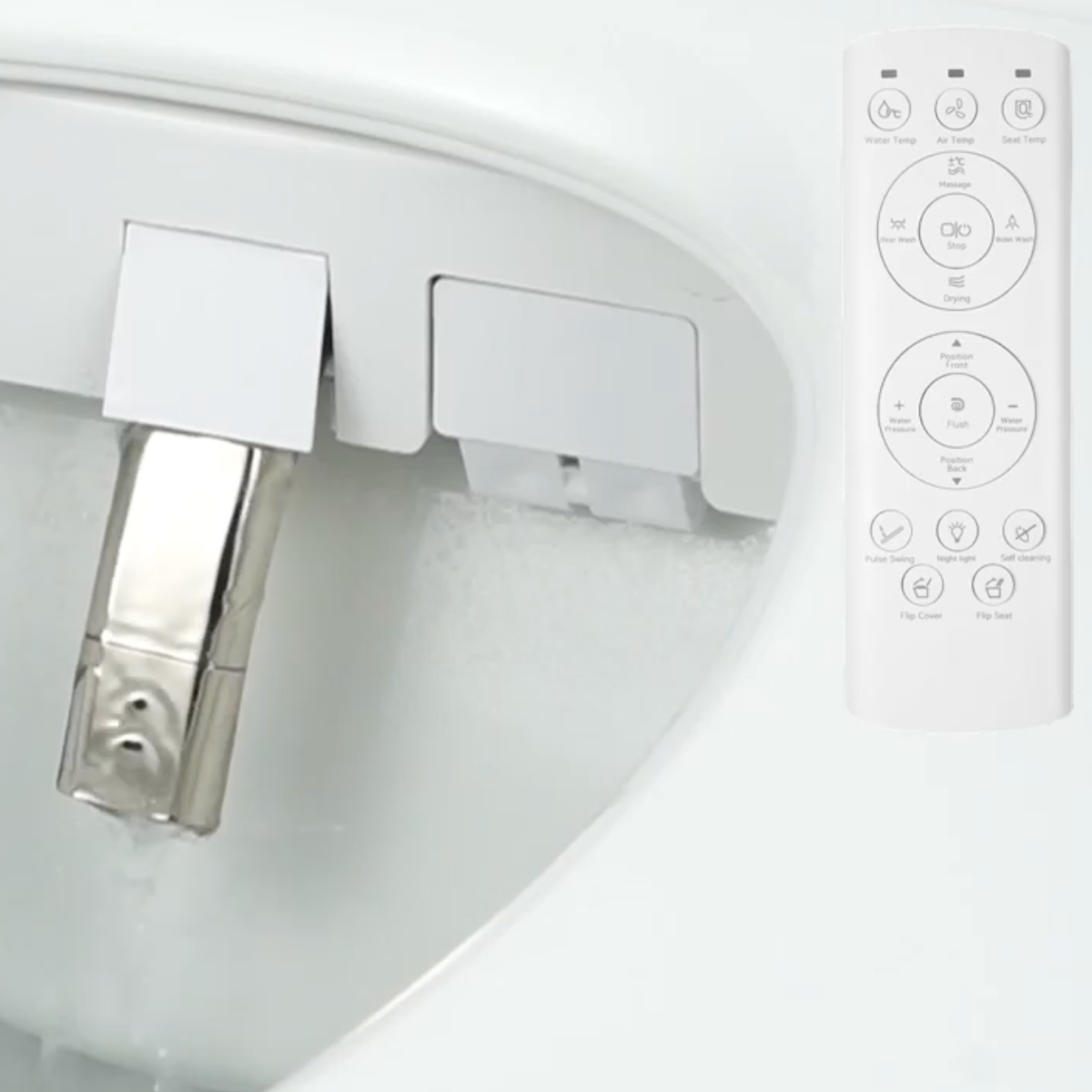


A smart toilet is an advanced toilet that includes features like built-in bidet washing, heated seats, automatic flushing and hands-free controls. It’s designed to improve hygiene, comfort and overall bathroom experience.
Yes, smart toilets are generally more hygienic. They use water for cleaning instead of relying only on toilet paper, reducing contact and providing a more thorough clean. Many also include self-cleaning nozzles and antibacterial materials.
Some smart toilets require electricity for features like heated seats and automatic functions, while others are non-electric and rely on water pressure. It depends on the model you choose.
Smart-T toilets are designed to fit standard plumbing setups all over the world, making installation straightforward for a qualified plumber. Floor-standing models are especially simple to install in existing bathrooms.
Yes, many smart toilets use efficient flush systems that reduce water usage compared to traditional toilets. Some models use as little as 3.5 litres per flush, helping lower water consumption over time.
Smart toilets are generally low cost to run. Non-electric models have no additional running costs, while electric models use minimal power, similar to small household appliances.
Smart toilets significantly reduce the need for toilet paper thanks to their built-in washing systems. Some users still use a small amount for drying, but overall usage is much lower.
Yes. Smart toilets offer better hygiene, improved comfort and modern features that enhance everyday use. With more affordable options now available, they’re becoming a practical upgrade rather than a luxury.
Yes, most smart toilets are designed to fit standard bathroom layouts. Floor-standing models are especially suitable for replacing existing toilets without major changes.
Smart toilets are gaining popularity worldwide as more people prioritise improved hygiene, comfort, and modern bathroom design. Long established in parts of Europe and Asia, they are now seeing rapid growth across global markets as adoption continues to expand.


